Automotive retailers don’t have a shortage of technology. They have a shortage of technology that works together.
Drive360 helps dealerships connect operations, data, technology and AI so information moves with the customer and technology supports the people doing the work.
We don’t start with a product. We start with the problem.

“Don't give me a problem you don't actually want solved.”
— Rick McLey, Founder & Principal

Dealership Operations

Sales, Service, Parts, Accounting

CRM, DMS, Platform Implementation

Vendor Agnostic Advocacy
The next generation of dealership technology isn’t another application employees have to log into.
It’s an intelligence layer connecting the systems dealerships already depend upon.
Drive360 helps bring together operational data, customer identity, communications, workflow automation, analytics and AI so dealership teams have better context about what is happening and what needs to happen next.
That’s the foundation of the Agentic Dealership™.

Connected dealership intelligence starts with context. The system should be able to help answer:
Who is this customer?
Why are they contacting us?
What has already happened?
What needs to happen next?
Who should handle it?
What actions can technology safely take?
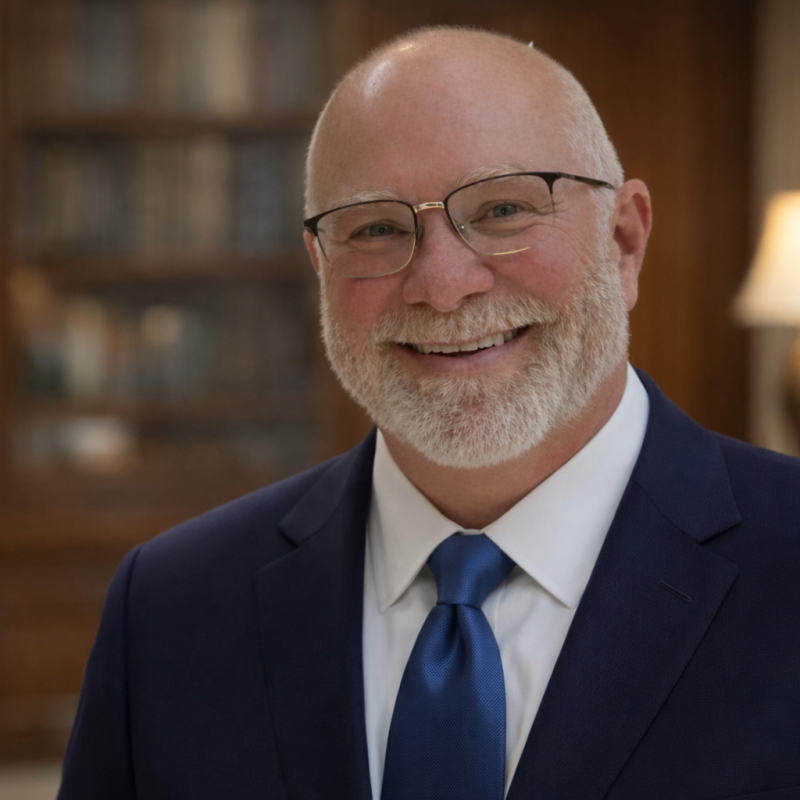
Drive360 founder Rick McLey has spent more than 35 years working at the intersection of automotive retail operations and technology.
His career has included dealership leadership, founding an automotive CRM company, serving as Chief Product Officer for an enterprise automotive CRM platform, and leading technology initiatives involving CRM, communications, data integration, analytics and artificial intelligence.
But his perspective on technology comes from somewhere more fundamental:
The dealership floor.
Rick understands that technology only matters when it improves what happens between a customer and the people serving them. That philosophy shapes Drive360.
A CRM can work. A DMS can work. The phone system can work. The website can work.
The failure often happens in the handoff between them.
Customer identity becomes fragmented. Context gets lost. Ownership becomes unclear. Employees create manual workarounds. Leadership sees reports from individual systems but not the operating condition across the dealership.
Drive360 focuses on those gaps between systems, departments and workflows.

Drive360 was created to help dealerships understand and improve what happens between systems, departments and customer interactions.
We combine dealership operations experience with data, technology and AI to identify where information breaks down, where ownership becomes unclear, and where revenue or customer experience may be at risk.
The goal isn't to add another layer of complexity. It's to help dealership leadership see the operation more clearly and make better decisions about what to fix, connect, automate or leave alone.
Clarity first. Then action.
Rick has very little interest in technology for technology’s sake. Give him a dealership problem and his instinct is to understand how the entire process works—not just the software involved.
Where does the data originate?
Where does it break?
What does the employee actually experience?
What does the customer experience?
What happens when something goes wrong?
Why are we still doing it this way?
That curiosity has taken Rick from dealership operations into CRM product development, APIs, data platforms, communications infrastructure, machine learning and agentic AI—not because those technologies are fashionable, but because they provide new ways to solve old dealership problems.

More than three decades in automotive retail could be a reason to defend the way dealerships have always operated.
Rick sees it differently.
Experience provides the ability to recognize which processes still create value—and which exist simply because nobody has challenged them.
“You can’t fix what you can’t see. Clarity is the foundation of every successful operational improvement.”

Drive360 combines operational experience with modern technology rather than forcing new technology into old processes.
Sometimes that means improving an existing workflow.
Sometimes it means connecting systems that were never designed to communicate.
And sometimes the right answer is to eliminate the process entirely.
“Our only loyalty is to dealership operations. If that means telling you to
keep your current systems, we’ll tell you. If it means recommending a
change, we’ll be honest about that too.”

Drive360 looks at technology, process and AI from the dealership’s operating perspective. The question is always the same: does this make the operation work better?

We evaluate the systems, vendors and capabilities already in place before recommending change. The right answer may be to improve what you already have.

Technology only matters when it improves an operational outcome—better customer continuity, clearer accountability, stronger revenue capture or simpler work for dealership teams.
We believe the best automotive technology should make the dealership feel simpler—not more complicated.

Employees shouldn't have to become system integrators just to help a customer.

Managers shouldn't have to reconcile multiple reports just to determine what's actually happening.

Customers shouldn't have to start over every time they move between a department, system or communication channel.

AI shouldn't operate without clearly defined authority, accountability, human oversight and measurable performance.

Technology should share context across workflows instead of forcing employees to reconstruct the customer story manually.

New technology should be introduced because it improves an operational outcome—not simply because a new capability exists.

Technology should make the dealership easier to understand, easier to operate and easier for customers to navigate.
That means better context for employees, clearer visibility for leadership, continuity for customers and responsible boundaries for AI.
That's what we're building toward. That's Drive360.
Drive360 helps dealership leadership identify what is happening across the operation, understand what matters most, and determine what should happen next.
Operations. Data. Intelligence. Action.